
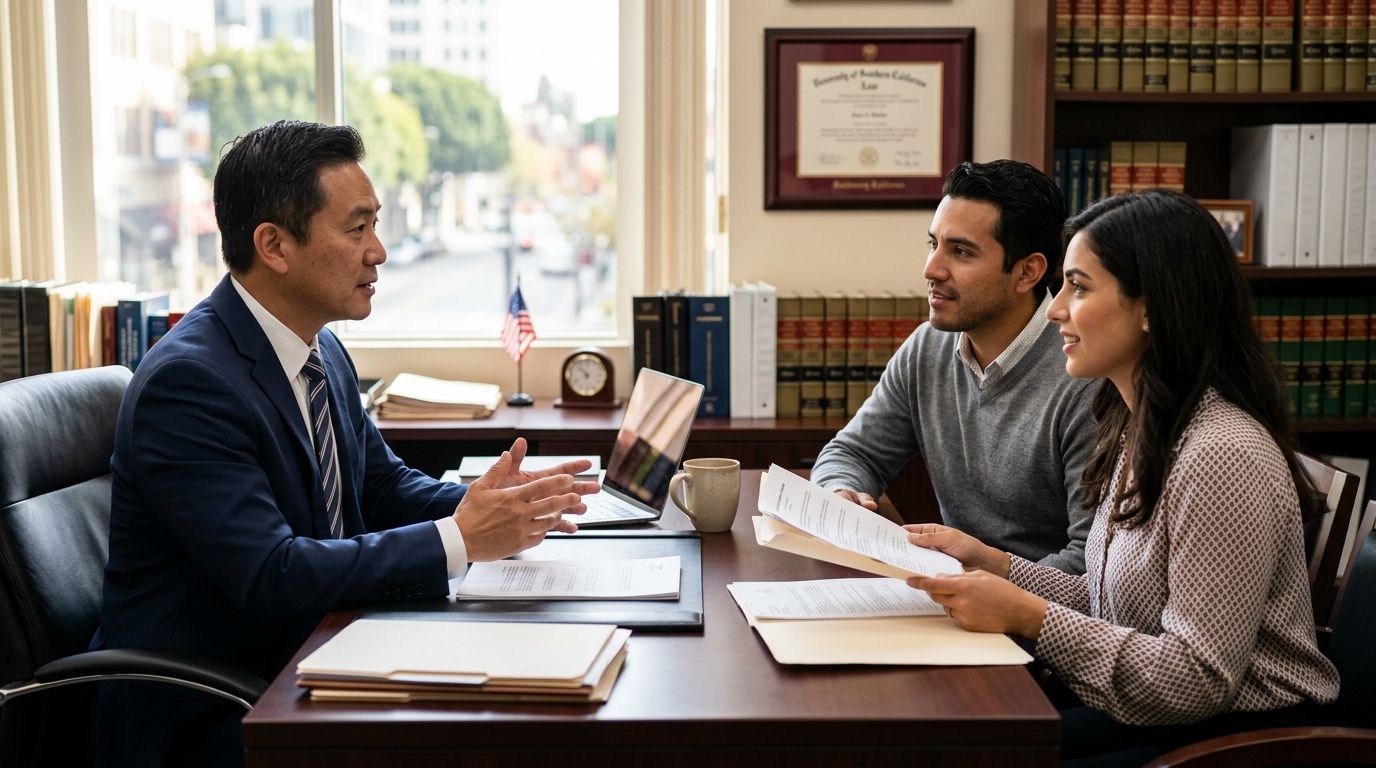
Expungement for naturalization applicants in California means petitioning to dismiss or seal a state conviction under Penal Code 1203.4 before you file Form N-400, so U.S. Citizenship and Immigration Services reviews a resolved record instead of an open question. Naturalization applicants face a narrower problem than most people asking about record relief: a state court dismissal does not automatically satisfy federal immigration standards, and timing the petition wrong can cost you a filing cycle.
- Cole Law handles California expungements for naturalization applicants, but USCIS still requires disclosure of an expunged conviction on Form N-400.
- A Penal Code 1203.4 dismissal doesn't erase immigration consequences — under INA 101(a)(48)(A), federal law still counts the underlying conviction.
- Good moral character review covers the 5 years before filing (3 years for spouses of U.S. citizens); timing your petition matters more than the expungement itself.
- Certain convictions carry a permanent bar to naturalization regardless of state relief — immigration counsel should review the case alongside expungement counsel.
- Filing a felony reduction or dismissal months before your N-400 interview gives USCIS a cleaner record to evaluate.
Why expungement matters for naturalization applicants
An immigration risk from a criminal record doesn't disappear the moment a California judge signs a dismissal order. Form N-400's instructions require you to list every arrest and conviction, even ones that were expunged, sealed, or dismissed under state rehabilitative statutes. USCIS treats a Penal Code 1203.4 dismissal as a state-level cleanup, not a federal erasure, because under INA 101(a)(48)(A) a conviction still counts for immigration purposes even after state relief.
That distinction is exactly why a naturalization applicant needs different advice than someone clearing a record for a job application. An expungement lawyer for naturalization applicants isn't trying to make the record vanish — the goal is to build the strongest possible good moral character file for the officer who reviews your N-400.
Steps to prepare your record before you file
Pull your full criminal history first
Before you touch Form N-400, get a complete picture of what's actually on file. Discrepancies between what you remember and what shows up in official records are one of the most common reasons naturalization applications stall.
- Request your state summary criminal history (RAP sheet) directly from the California Department of Justice
- Cross-check every county where you were arrested, even if charges were dropped
- Note dates of arrest, charge, disposition, and sentence completion for each case
- Flag anything listed as a felony, even if it was later reduced
Confirm eligibility under Penal Code 1203.4
Not every conviction qualifies for dismissal, and eligibility rules differ for felonies, misdemeanors, and cases involving probation violations. You can check your own case against the statute using the Penal Code 1203.4 eligibility criteria before deciding whether a petition is worth filing.
- Confirm probation was completed or was terminated early
- Confirm no new criminal proceedings are currently pending
- Check whether the offense is one of the narrow categories excluded from 1203.4 relief
- Confirm you served any required jail or prison time tied to the case
Time the petition around your good moral character window
USCIS evaluates good moral character for the five years immediately before you file N-400 — three years if you're applying based on marriage to a U.S. citizen. A dismissal that lands cleanly before that window opens carries more weight than one filed the week before your interview.
- Calculate your exact five-year (or three-year) lookback date before scheduling anything
- File the expungement petition with enough runway for the court to rule
- Avoid filing N-400 and the expungement petition in the same month
- Keep a copy of the filed petition even before it's granted, in case USCIS asks about pending matters
File the petition and get certified proof
Once eligibility is confirmed, the petition goes to the court that handled the original conviction. A properly filed 1203.4 petition results in a signed order you can present alongside your N-400 paperwork — this is where working with counsel who files these petitions regularly speeds things up, since a rejected or incomplete filing costs you weeks you don't have before an interview date.
- Request certified copies of the dismissal order, not just a court printout
- Confirm the order references the correct case number and Penal Code section
- Ask the court clerk for a timeline estimate specific to that county
- Keep the original order in the same folder as your N-400 supporting documents
Disclose the conviction on Form N-400 anyway
This is the step people skip and regret. Even a fully dismissed, expunged, or sealed conviction must be disclosed on Form N-400 if you were ever arrested, cited, charged, or convicted. Answering "no" because the case was expunged is a common, avoidable mistake — and inaccurate answers on a federal form carry their own consequences separate from the underlying conviction.
- List every arrest regardless of outcome, including dismissed and expunged cases
- Attach the certified dismissal order as supporting documentation
- Write a brief factual explanation of the disposition in your own words
- Bring the original court paperwork to your naturalization interview
Loop in immigration counsel for permanent-bar review
Some offenses — aggravated felonies as defined under immigration law, certain drug convictions, and crimes involving moral turpitude within the statutory period — can bar naturalization regardless of what a California court did with the case. An expungement lawyer can clean up the state record, but only immigration counsel can tell you whether the underlying offense itself blocks the path to citizenship.
- Ask whether your specific offense category is ever treated as an aggravated felony under federal law
- Confirm whether your conviction falls inside or outside the crime-involving-moral-turpitude lookback period
- Get a written opinion before filing N-400 if there's any doubt
- Don't rely on the expungement order alone as proof the case is resolved for immigration purposes
Comparison of options for naturalization applicants
| Option | Best for | Key limitation |
|---|---|---|
| DIY expungement petition (Form CR-180) | Simple, single-conviction cases with no probation issues | No guidance on timing against your good moral character window |
| Public defender post-conviction clinic | Applicants who can't afford private counsel | Long wait times; limited immigration-specific advice |
| Private expungement attorney (Cole Law) | Applicants who need the petition filed correctly and timed to their N-400 filing date | Doesn't replace immigration counsel for permanent-bar questions |
| Immigration attorney only | Applicants whose main risk is a permanent bar, not the state record itself | Can't file the California expungement petition |
Verdict: the strongest approach pairs a California expungement attorney who handles the state petition with an immigration attorney who confirms the offense doesn't trigger a permanent bar — using only one leaves a gap the other can't cover.
Get your record reviewed before you file N-400
A clear picture of your California case history before your naturalization filing.
Common mistakes naturalization applicants make
- Assuming expungement erases the conviction federally. It clears the state record; it does not change how USCIS defines "conviction" under immigration law.
- Filing N-400 before the expungement is finalized without explaining it. A pending petition should be disclosed, not left out.
- Answering "no" to arrest history questions because a case was dismissed. This is the single most common paperwork error I see in this category.
- Filing too close to the interview date. Courts take time to process petitions; a rushed filing can still be pending at your interview.
- Skipping immigration-specific review entirely. Not every offense that qualifies for expungement is automatically safe for naturalization purposes.
FAQ
Does expungement help with naturalization?
It helps by giving USCIS documented proof the state case was resolved favorably, which supports your good moral character case. It does not remove the requirement to disclose the original arrest and conviction on Form N-400.
Do I have to disclose an expunged conviction on Form N-400?
Yes. USCIS requires disclosure of every arrest and conviction regardless of expungement, sealing, or dismissal under state law, and the dismissal order should be attached as supporting evidence.
Can a criminal record stop me from becoming a U.S. citizen?
Certain offenses, including some classified as aggravated felonies under immigration law, can permanently bar naturalization regardless of California relief. Most other convictions affect the good moral character review for a limited lookback period instead.
How long before naturalization should I get my record expunged?
File the petition with enough time for the court to rule before your good moral character window opens — five years before N-400 filing, or three years if applying through marriage to a U.S. citizen. Filing the same month as your N-400 leaves little buffer if the court takes longer than expected.
Is a DUI a permanent bar to citizenship?
A standard misdemeanor DUI is typically not a permanent bar, but it can factor into the good moral character review during the applicable lookback period. A DUI causing injury or involving aggravating factors needs separate review from immigration counsel.
What's the difference between expungement and record sealing for immigration purposes?
Both are California rehabilitative remedies, and neither erases the conviction under federal immigration law. The practical difference is procedural — sealing restricts public access to records, while a 1203.4 dismissal formally withdraws the plea and dismisses the case in state court.
Should I hire an immigration lawyer or an expungement lawyer first?
Start with the criminal history review, since that determines what state relief is even available, then bring an immigration attorney in to confirm the offense doesn't trigger a bar. Running both in parallel, rather than sequentially, usually saves the most time before an N-400 filing deadline.
Can Cole Law help if I live outside California?
Yes — California expungement petitions are filed in the county of conviction regardless of where you currently live, which is common for naturalization applicants who moved after their case closed.
One last thing
The five-year good moral character lookback feels like a safety net, but it isn't one for every offense — permanent bars under immigration law aren't time-limited, so an old conviction outside the lookback window can still matter if it falls into a barred category. Don't assume time alone resolves the risk; get the offense category reviewed specifically, not just the calendar date.


