
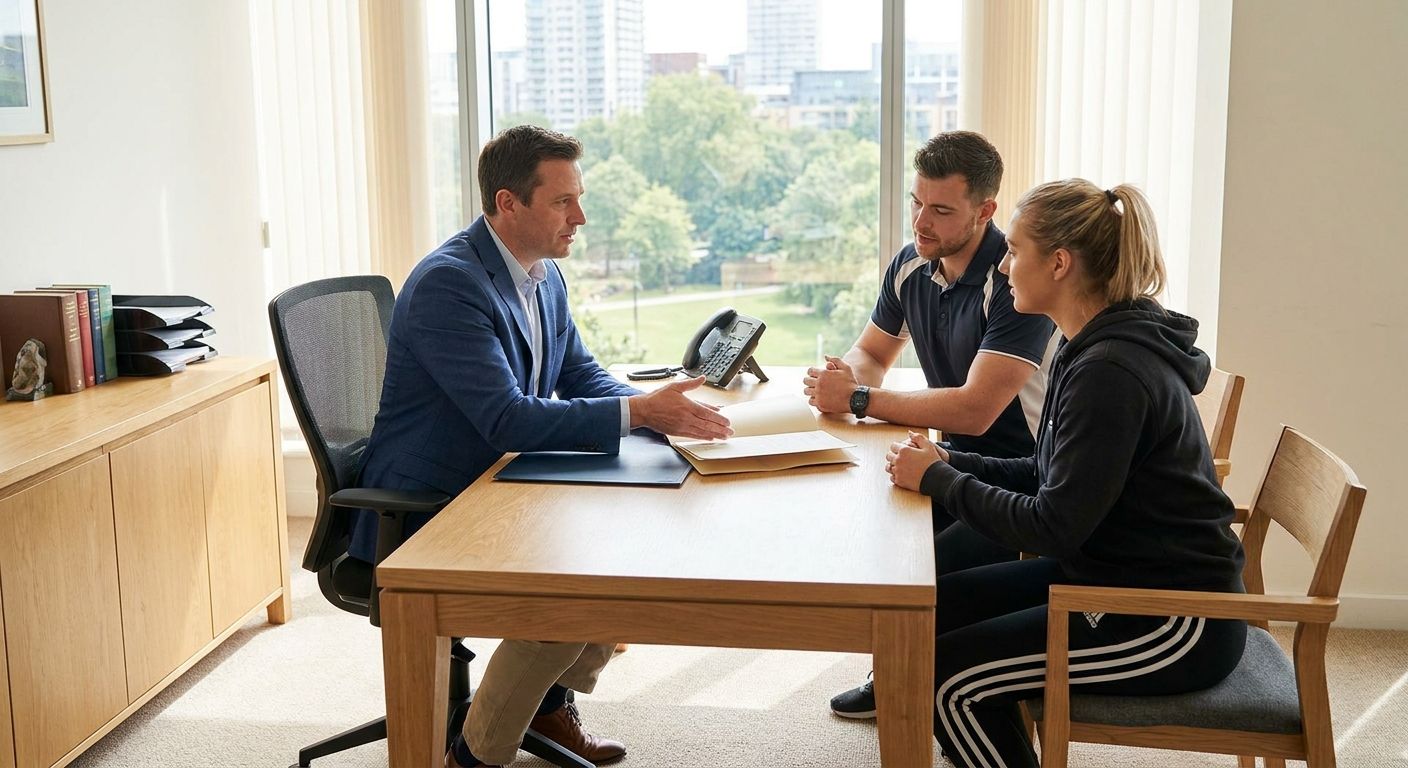
Personal trainer expungement is the legal process of clearing or sealing a California criminal record so a certification body, gym employer, or client background check no longer surfaces a conviction that used to cost you jobs and clients. Gym chains run vendor background checks (Checkr, Sterling, and similar services) before onboarding, and national certification bodies like NASM, ACE, and ISSA screen applicants against moral-character clauses that a plain misdemeanor can trip. That combination — employer screening plus certification-body screening — makes this segment's exposure wider than a typical job search.
- An expungement lawyer for personal trainer clients files under Penal Code 1203.4 to clear records before certification renewal or gym hiring in 2026.
- Certification bodies like NASM and ACE run separate background checks from gym employers, so one clearance rarely covers both.
- Felony convictions may need a reduction to a misdemeanor first before Cole Law can file the 1203.4 petition.
- DIY Form CR-180 filings are legal and free, but errors in eligibility timing cause denials that cost months.
Why this matters
A personal trainer's income depends on trust signals: a certification badge, a gym's logo, a client's Google search of your name. A criminal record sitting in the California court system undermines all three, even when the underlying case was old, minor, or never led to a conviction. Certification bodies don't always explain their denial reasoning, and gyms rarely tell a rejected applicant why a background check flagged them — they just move to the next candidate.
Why expungement matters for personal trainers and gym employees
Gym employers and certification organizations pull records from different sources at different times: onboarding, license renewal, and sometimes random compliance audits. A record cleared once under Penal Code 1203.4 stops showing up on standard employment background checks, which is the check most gyms run. Certification bodies may ask direct disclosure questions on renewal forms regardless of what shows on a background check, which is why the underlying conviction still needs a resolution, not just a hope that nobody looks.
In my practice, I've seen trainers lose contractor slots at boutique studios over a decade-old possession charge that had already been resolved with probation completion — the record was just never cleared. The fix isn't complicated, but the timing has to be right before you submit a renewal application, not after a denial.
Check your certification body's background check policy
Every major certifying organization treats disclosure differently, and assuming they all work like a standard employer check is the first mistake.
- Read the moral-character or good-standing clause on your certification renewal form
- Note whether the form asks about convictions, arrests, or both
- Check if the certifying body requires disclosure even after a record is cleared
- Confirm your certification's renewal cycle so you know your filing deadline
Determine your eligibility under Penal Code 1203.4
Most misdemeanor and many felony convictions in California qualify for expungement once probation is complete, but eligibility rules shift depending on the charge and sentence type.
- Confirm probation was completed, not still active
- Check whether the conviction involved a sentence to state prison under realignment rules
- Rule out convictions with mandatory sex offender registration, which follow a separate process
- Verify no new pending charges exist that would block the petition
Gather your certified conviction records
Courts require certified copies of the disposition, not a printout from a background check site, before any petition moves forward.
- Request certified case records from the county courthouse where you were convicted
- Pull your RAP sheet (criminal history) from the California DOJ if the case is old
- Note the exact case number and county — filings go to the original sentencing court
- Keep copies of probation completion or fine payment proof
File the petition and, if needed, reduce the felony first
Form CR-180 is the standard petition for dismissal in California, and you can file it yourself through the county court clerk without an attorney. The manual path works fine for a straightforward, single-count misdemeanor with no unusual sentencing history. Where it gets harder is when the conviction was a felony, because many felonies must first be reduced to a misdemeanor under Penal Code 17(b) before a 1203.4 dismissal is even available. That's the point where a criminal record lawyer reviewing your specific case history moves faster than trial-and-error filing, because a rejected petition on a wrong-eligibility basis costs another 30-60 days.
- File Form CR-180 with the sentencing court, not your current county of residence
- Attach the certified disposition and probation completion proof
- Request a felony reduction petition first if the conviction was a wobbler felony
- Track the court's response window, typically several weeks depending on county caseload
- Prepare for a possible prosecutor objection hearing if the DA's office contests the petition
Update your standing with certification bodies and gym employers
A cleared record doesn't automatically update a certification body's file — you generally have to disclose the resolution yourself at renewal.
- Notify your certifying organization of the dismissal with the court order attached
- Update any gym employer HR file if the original hire happened before clearance
- Correct any background check vendor report showing outdated conviction data
- Keep the certified dismissal order (not just a confirmation email) in your personal file
Prepare for client-facing searches, not just formal background checks
Clients and studio owners increasingly Google a trainer's name before booking, and public court records can surface even after a 1203.4 dismissal in some search indexes.
- Check what appears in a basic search of your full name
- Request removal from data broker or mugshot aggregator sites if applicable
- Confirm your dismissal order is on file in case a studio owner asks directly
- Keep a short, factual explanation ready if a client or gym manager raises it
Comparison: your options for clearing a record as a trainer
| Option | Best for | Key limitation |
|---|---|---|
| DIY Form CR-180 filing | Single misdemeanor, straightforward eligibility, no felony history | No guidance if the court rejects the petition on a technicality |
| General practice attorney | Trainers who already have an attorney for another matter | May not track certification-body-specific disclosure rules |
| Expungement-focused defense attorney (Cole Law) | Trainers with felony convictions, multiple counts, or upcoming certification renewals | Requires a consultation to confirm eligibility before filing |
Verdict: a straightforward single-misdemeanor case with a clean probation record is a reasonable DIY filing; anything involving a felony wobbler, multiple counties, or a looming certification deadline is worth a case review before you file.
Talk to Cole Law about your record
Case review before your next certification renewal or gym background check.
Common mistakes trainers and gym employees make
- Assuming an arrest without conviction won't surface. Arrest records can still appear on background checks even without a conviction; those need a separate sealing process, not a 1203.4 petition.
- Filing before probation is fully closed. A petition filed while probation is still technically active gets denied, adding months to the timeline.
- Ignoring out-of-county convictions. A trainer who moved counties often forgets an old case still sits in the original sentencing court's system.
- Waiting until a certification renewal is denied. Filing reactively after a denial is slower than filing proactively months before the renewal date.
- Not disclosing to certification bodies after clearance. Some organizations require you to report the dismissal directly, even though it no longer shows on a standard background check.
An expungement lawyer for state licensing board applicants faces a similar disclosure problem — the record has to be resolved before the board reviews the file, not after. The same logic applies to trainers renewing NASM, ACE, or ISSA credentials in 2026.
Gym employees who aren't independent trainers — front-desk staff, sales associates, group class instructors — face the standard employer background check path more than certification review. That path runs closer to what an expungement lawyer for job seekers with a criminal record handles: clearing the record before the next application round, not explaining it after a rejection.
FAQ
Can a personal trainer get certified with a criminal record in California?
It depends on the certifying body and the nature of the conviction. Most national certifications don't automatically bar applicants, but a cleared record under Penal Code 1203.4 removes the issue from most standard background checks and renewal disclosure questions.
Does expungement remove a record from a gym's background check?
Yes, in most cases. A dismissal under Penal Code 1203.4 removes the conviction from standard third-party background check reports that gyms typically use for hiring in 2026.
How long does it take to expunge a record before a certification renewal?
Filing and court processing typically take several weeks to a few months depending on county caseload, so file well before your certification renewal deadline rather than after a denial.
What's the difference between expungement and sealing for a trainer's case?
Expungement under Penal Code 1203.4 dismisses a conviction after probation completion; sealing applies to arrests that never led to a conviction. Trainers with dismissed charges but a lingering arrest record may need both.
Do I need a felony reduced before filing for expungement?
If your conviction was a wobbler felony, it often needs to be reduced to a misdemeanor under Penal Code 17(b) before a 1203.4 dismissal petition is available.
Is DIY expungement filing realistic for a personal trainer?
For a single straightforward misdemeanor with completed probation, filing Form CR-180 yourself is workable. Felony history, multiple counties, or an upcoming certification deadline are the situations where a case review before filing saves time.
Will a cleared record show up if a client Googles my name?
Court dismissal removes the record from official background check databases, but public court records or data broker sites can still surface independently, so checking your own search results is worth doing separately.
Do certification bodies find out about an expungement automatically?
No. Most require the applicant to disclose the dismissal directly at renewal, since court clearance doesn't automatically update a certifying organization's internal file.
One last thing
The detail most trainers miss isn't the filing itself — it's the gap between when a background check runs and when a certification renewal disclosure question gets asked. A record can be clean on the background check and still trip a renewal form that asks "have you ever been convicted," because some certifying bodies ask that regardless of dismissal status. Resolve the underlying case well before either checkpoint, not in response to one.


